 English
  Spanish
  French
  Arabic
  Portuguese
  Indonesian
 Why Pallet Safety Matters
Pallet failures can lead to product damage, workplace injuries, and supply chain disruptions. Understanding safety standards and testing methods ensures you select pallets that meet your operational requirements.
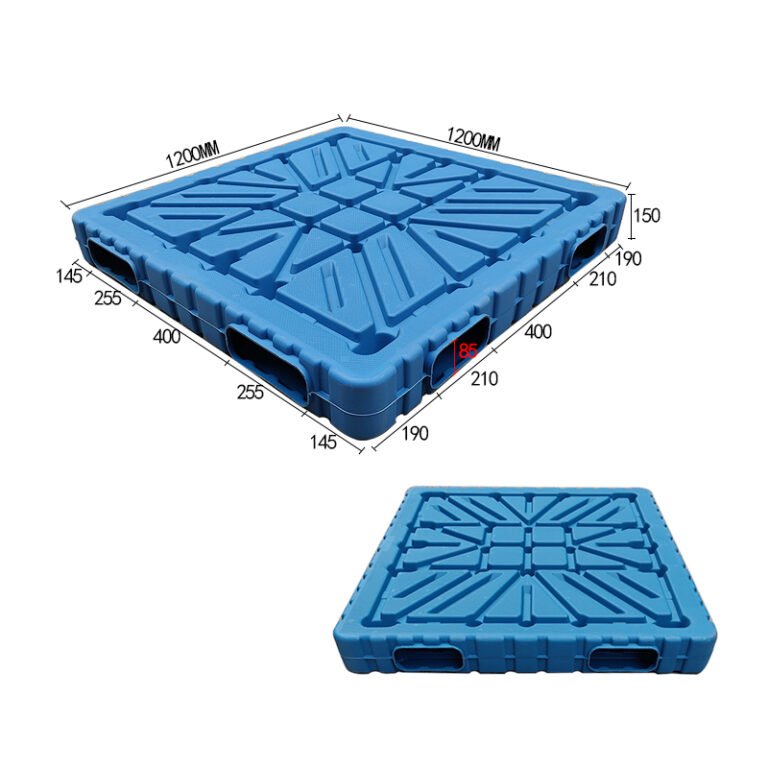
Plastic pallets are essential for modern logistics and warehousing operations. In this comprehensive guide, we explore everything you need to know about plastic pallets, including their benefits, applications, and how to choose the right plastic pallets for your business.
Key Safety Standards
ISO Standards
- ISO 8611: Pallets for unit load method of materials handling – Test methods
- ISO 13231: Pallets – Vocabulary
- ISO 445: Pallets for materials handling – Maximum gross mass
Regional Standards
- ANSI/ITSMA: North American standards
- EN 13382: European standard for plastic pallets
- JIS Z 0601: Japanese industrial standard
Load Testing Methods
1. Static Load Test
Purpose: Measure pallet strength when stationary
Method:
- Place pallet on flat, rigid surface
- Apply uniform load across deck
- Maintain load for 24 hours
- Measure deflection
- Remove load and check for permanent deformation
Pass Criteria: No cracks, permanent deflection less than 2% of span
2. Dynamic Load Test
Purpose: Measure strength during handling
Method:
- Load pallet to specified weight
- Lift with forklift from all four directions
- Lower pallet 100 times from 100mm height
- Inspect for damage
Pass Criteria: No structural failure or permanent deformation
3. Racking Load Test
Purpose: Measure strength in racking systems
Method:
- Place pallet in racking with support on two sides only
- Apply uniform load
- Maintain for 24 hours
- Measure deflection at center
Pass Criteria: Maximum deflection less than 2% of span, no cracks
4. Impact Test
Purpose: Measure resistance to sudden forces
Method:
- Drop weighted object from specified height
- Strike pallet at critical points
- Inspect for damage
Pass Criteria: No catastrophic failure
Certifications to Look For
Quality Certifications
- ISO 9001: Quality management system
- ISO 14001: Environmental management
- IATF 16949: Automotive industry quality
Safety Certifications
- UL certification: Underwriters Laboratories safety
- GS mark: German product safety
- CE marking: European conformity
Industry-Specific
- FDA compliance: Food contact materials
- HACCP: Food safety management
- GMP: Good Manufacturing Practice
Understanding Load Ratings
| Rating Type | Definition | Typical Range |
|---|---|---|
| Static Load | Stationary weight capacity | 1,000-10,000 kg |
| Dynamic Load | Weight during handling | 500-3,000 kg |
| Racking Load | Weight in racking system | 500-2,500 kg |
Safety Inspection Checklist
Daily Checks
- No visible cracks or fractures
- All components intact
- No excessive wear
- Pallet sits flat
- Load capacity not exceeded
Monthly Checks
- Measure deflection under load
- Check for chemical damage
- Inspect for UV degradation
- Verify dimensional stability
- Review load history
When to Remove from Service
Immediately remove pallets showing:
- Structural cracks in load-bearing areas
- Missing components affecting stability
- Deflection exceeding safe limits
- Chemical damage or softening
- Burn marks or heat damage
Conclusion
Understanding plastic pallet safety standards and testing methods ensures you select the right pallets for your application. Always verify load ratings, request test certificates, and implement regular inspection programs to maintain safe operations.