 English
  Spanish
  French
  Arabic
  Portuguese
  Indonesian
 Why Proper Maintenance Matters
While plastic pallets require less maintenance than wooden pallets, proper care extends their lifespan, maintains performance, and ensures safety. A well-maintained plastic pallet can last 10-15 years or more.
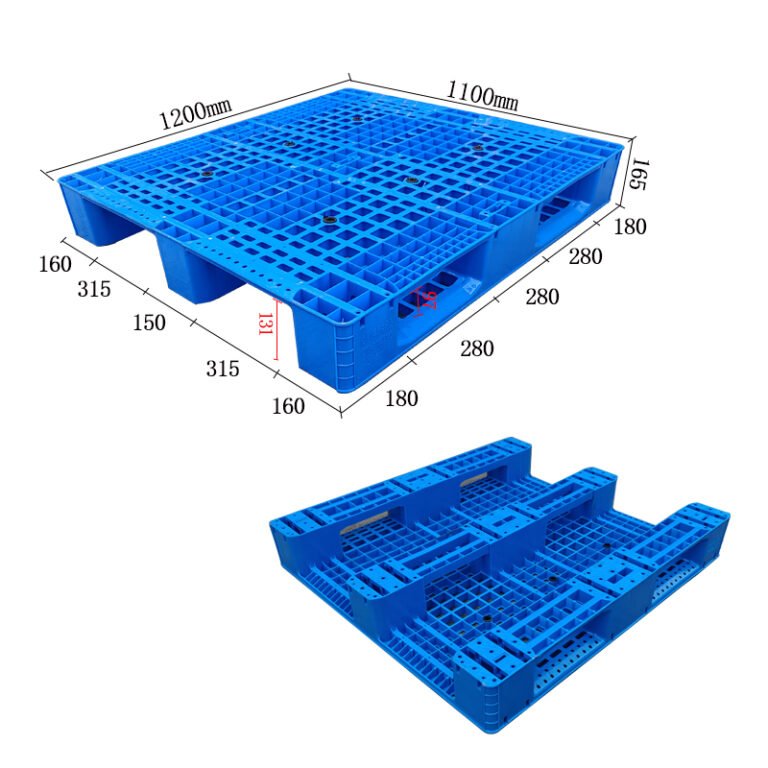
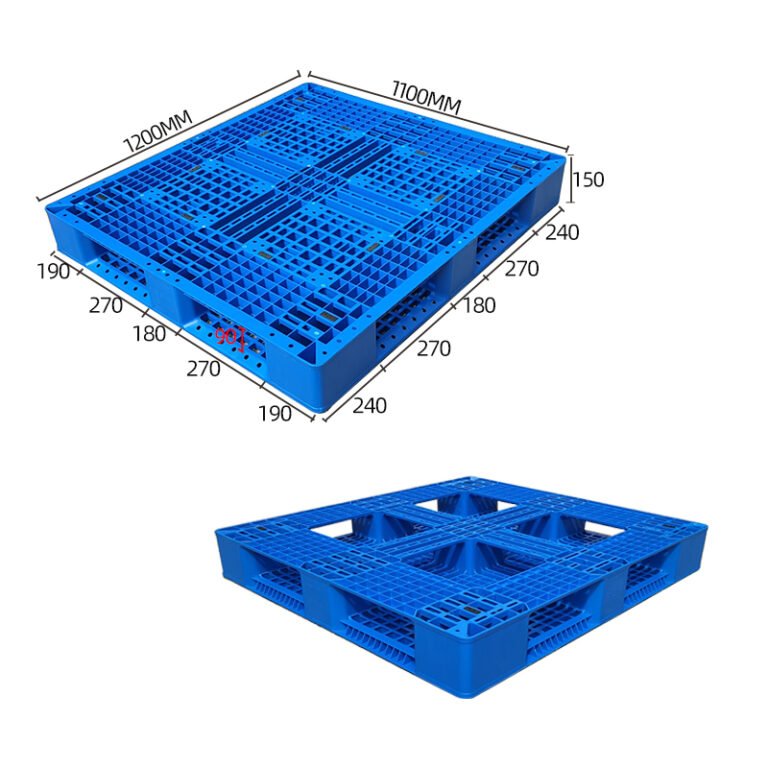
Plastic pallets are essential for modern logistics and warehousing operations. In this comprehensive guide, we explore everything you need to know about plastic pallets, including their benefits, applications, and how to choose the right plastic pallets for your business.
Daily Maintenance Practices
Visual Inspection
Before each use, check for:
- Cracks or fractures in deck or runners
- Missing or damaged components
- Excessive wear in high-stress areas
- Chemical damage or discoloration
- Foreign objects embedded in the pallet
Load Verification
- Ensure loads don’t exceed rated capacity
- Check for even weight distribution
- Verify load stability before moving
- Avoid point loads or concentrated weights
Cleaning Procedures
Regular Cleaning
- Rinse with water to remove loose debris
- Use mild detergent and warm water
- Scrub with soft brush if needed
- Rinse thoroughly
- Air dry or use compressed air
Deep Cleaning and Sanitization
- Pre-rinse to remove heavy soil
- Apply food-grade sanitizer or dilute bleach solution (1:32)
- Allow 5-10 minutes contact time
- Scrub all surfaces thoroughly
- Rinse with clean water
- Air dry completely before reuse
Cleaning Equipment Compatibility
| Method | Suitable | Notes |
|---|---|---|
| Pressure washing | Yes | Max 1500 PSI |
| Dishwasher | Yes | Industrial only |
| Steam cleaning | Yes | Good for sanitization |
| Chemical cleaning | Yes | Avoid strong solvents |
| Abrasive cleaning | No | Can damage surface |
Storage Best Practices
Indoor Storage
- Store in dry, covered area
- Stack on flat, level surface
- Limit stack height to prevent deformation
- Keep away from direct heat sources
- Protect from UV exposure if near windows
Outdoor Storage
- Use UV-stabilized pallets only
- Cover with tarp to reduce UV exposure
- Elevate off ground to prevent water pooling
- Secure against wind
- Inspect more frequently for UV degradation
Damage Prevention
Common Causes of Damage
- Overloading: Exceeding weight capacity
- Improper forklift handling: Dragging, dropping, or impact
- UV degradation: Prolonged sun exposure
- Chemical exposure: Strong solvents or acids
- Temperature extremes: Beyond rated range
Prevention Tips
- Train operators on proper handling techniques
- Never drag pallets across floors
- Use appropriate pallet for the application
- Rotate stock to ensure even wear
- Implement weight limits clearly
When to Replace
Replace plastic pallets when:
- Structural cracks appear in load-bearing areas
- More than 10% of the pallet is damaged
- Deflection exceeds safe limits under load
- Pallet no longer sits flat on surfaces
- Components are missing or broken
Recycling and Disposal
When pallets reach end of life:
- Contact manufacturer for take-back programs
- Recycle through plastic recycling facilities
- Grind for use as raw material
- Convert to energy through waste-to-energy facilities
Conclusion
Proper maintenance of plastic pallets is simple but important. Regular inspection, proper cleaning, and correct handling will maximize your investment and ensure safe, reliable performance for years to come.