 Portuguese
 English
 Spanish
 French
 Arabic
 Indonesian
Understanding Pallet Design Categories
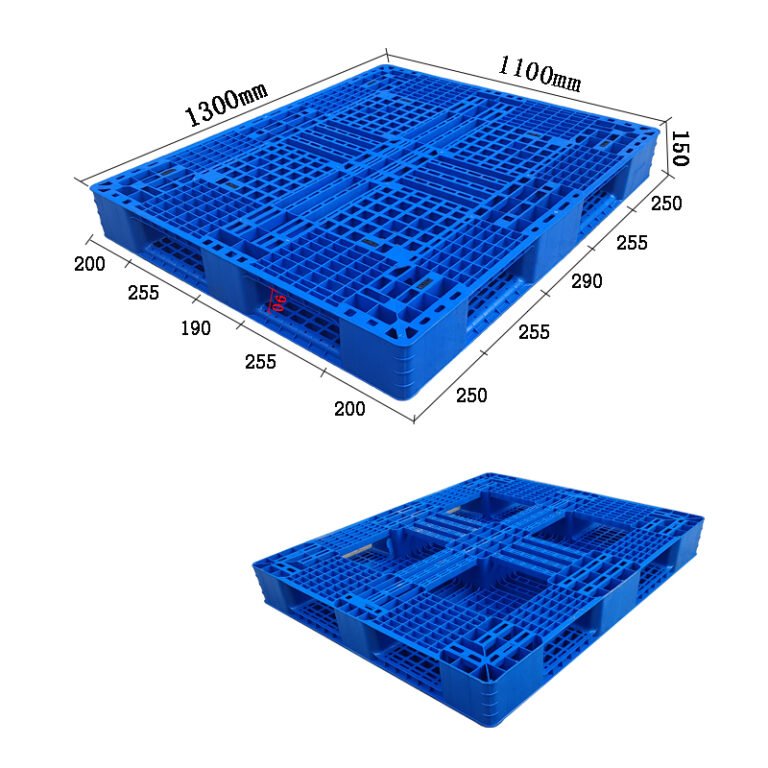
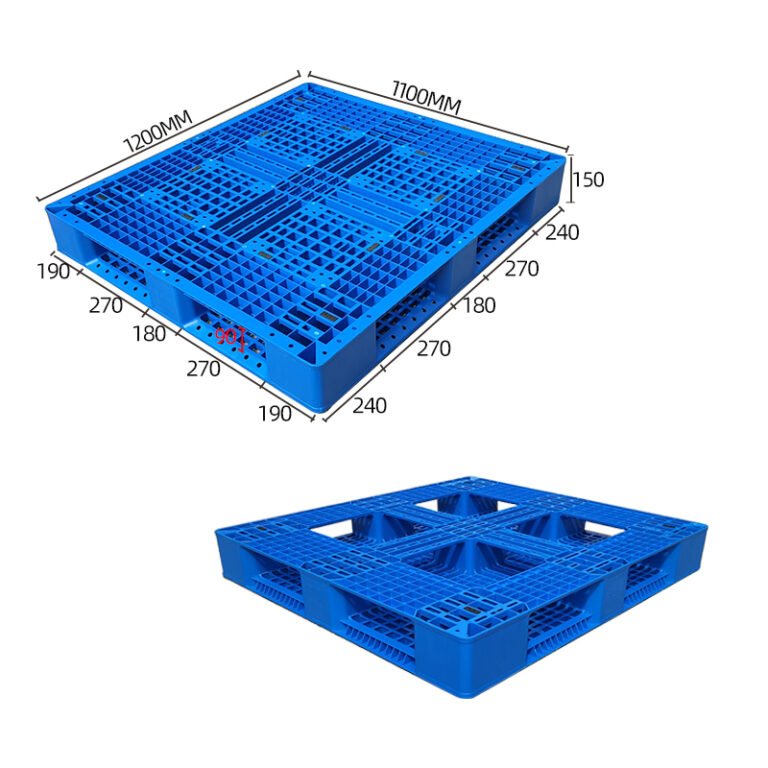
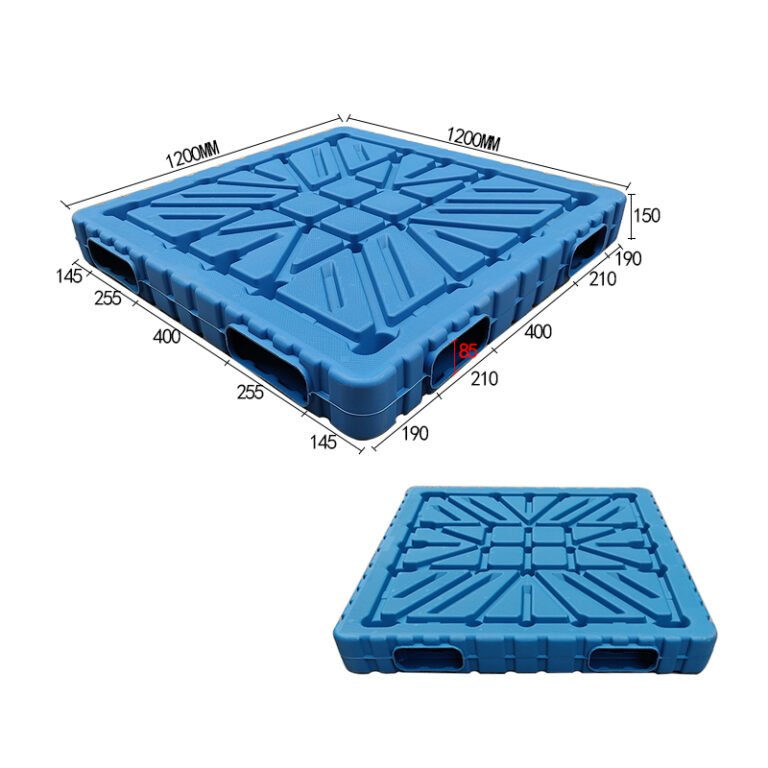
Plastic pallets come in three main design categories, each optimized for different operational needs. Understanding these differences helps you select the most efficient and cost-effective solution.
Nestable Plastic Pallets
Design Features
- Legs nest inside each other when stacked
- Significant space savings when empty (50-70%)
- Lightweight construction
- Typically nine-leg or three-runner design
Best Applications
- One-way export shipping
- Return logistics where empty pallets must be transported
- Light to medium duty applications
- Operations with limited storage space
Vantagens
- Maximum space efficiency when empty
- Lower transportation costs for returns
- Cost-effective for high-volume operations
- Easy manual handling
Limitations
- Not suitable for racking systems
- Lower load capacity than rackable designs
- Cannot be used for heavy stacking
Stackable Plastic Pallets
Design Features
- Flat bottom and top surfaces
- Stack directly on top of each other
- Interlocking features for stability
- Medium to heavy-duty construction
Best Applications
- Floor stacking operations
- Cold storage facilities
- Food and beverage distribution
- Manufacturing work-in-process storage
Vantagens
- Stable stacking without pallet movement
- Good for medium to heavy loads
- Compatible with most handling equipment
- Versatile for multiple applications
Limitations
- No space savings when empty
- Not suitable for racking
- Higher transport costs when empty
Rackable Plastic Pallets
Design Features
- Reinforced structure with steel bars or thick ribs
- Designed to span between rack beams
- High load capacity and rigidity
- Heavier construction
Best Applications
- Warehouse racking systems
- Heavy-duty storage operations
- Automated storage systems
- Long-term reusable applications
Vantagens
- Can be stored in racking systems
- Highest load capacity
- Maximum durability and longevity
- Best for heavy products
Limitations
- Highest cost per unit
- Heaviest weight
- No nesting capability
Comparison Summary
| Caraterística | Nestable | Stackable | Rackable |
|---|---|---|---|
| Space when empty | Best | Pobres | Pobres |
| Load capacity | Light-Medium | Medium-Heavy | Heavy |
| Racking suitable | Não | Não | Sim |
| Custo | Lowest | Médio | Highest |
| Peso | Lightest | Médio | Heaviest |
How to Choose
- Use nestable if you ship products and return empty pallets frequently
- Use stackable if you floor-stack products and need stability
- Use rackable if you store products in warehouse racking systems
Conclusão
Each pallet design serves specific operational needs. Consider your storage method, load requirements, and return logistics when selecting the right design for your business.