 Portuguese
  English
  Spanish
  French
  Arabic
  Indonesian
 What Are Plastic Pallets?
Plastic pallets are flat transport structures made from durable plastic materials, designed to support goods during storage and transportation. Unlike traditional wooden pallets, plastic pallets offer superior hygiene, durability, and consistency.
Types of Plastic Pallets
1. Stringer Plastic Pallets
Stringer pallets feature parallel beams (stringers) that support the deck boards. They are cost-effective and suitable for light to medium-duty applications.
2. Block Plastic Pallets
Block pallets have a grid-like structure with blocks at corners and center, providing excellent four-way forklift access and superior load distribution.
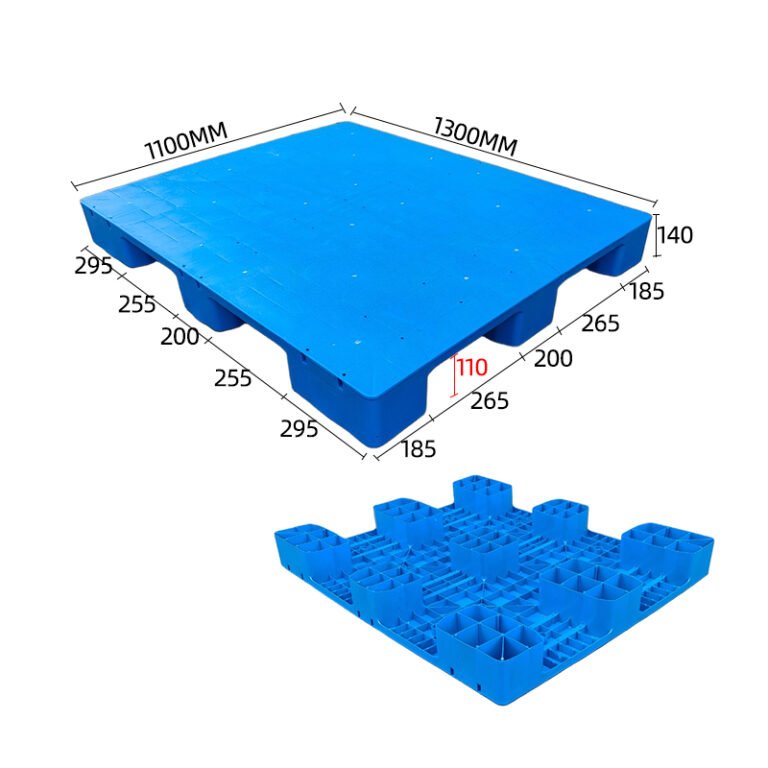
3. Nine-Leg Plastic Pallets
These lightweight pallets feature nine support legs, ideal for light-duty applications and export shipping where weight reduction is crucial.
4. Rackable Plastic Pallets
Reinforced with steel bars or designed with extra rigidity, rackable pallets can be stored in racking systems without sagging.
Materials Used
- HDPE (High-Density Polyethylene): Most common, excellent chemical resistance
- PP (Polypropylene): Higher temperature tolerance, stiffer
- Recycled Plastic: Eco-friendly option, lower cost
Benefits Over Wooden Pallets
- Hygienic and easy to clean
- No splinters or nails
- Resistant to moisture, chemicals, and pests
- Longer lifespan (10+ years vs 2-3 years for wood)
- Lighter weight reduces shipping costs
- Consistent dimensions for automated systems
Industrial Applications
Plastic pallets are widely used in:
- Food and beverage industry
- Pharmaceutical and healthcare
- Chemical manufacturing
- Automotive parts logistics
- Cold chain storage
- Export and international shipping
Choosing the Right Plastic Pallet
Consider these factors when selecting plastic pallets:
- Load capacity requirements
- Storage environment (temperature, humidity)
- Handling equipment compatibility
- Stacking or racking needs
- Budget and quantity
Conclusão
Plastic pallets offer a modern, efficient solution for material handling needs across industries. Their durability, hygiene, and versatility make them an excellent investment for businesses looking to optimize their logistics operations.