 English
  Spanish
  French
  Arabic
  Portuguese
  Indonesian
 The Great Pallet Debate: Plastic vs Wood
Choosing between plastic and wooden pallets is one of the most important decisions in logistics planning. Both options have distinct advantages and disadvantages that can significantly impact your bottom line.
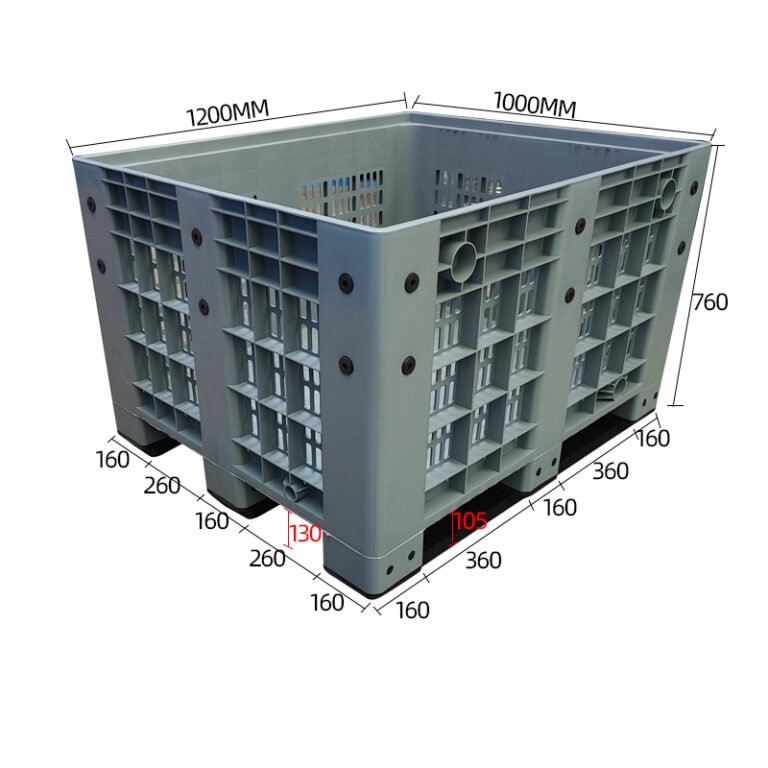
Plastic pallets are essential for modern logistics and warehousing operations. In this comprehensive guide, we explore everything you need to know about plastic pallets, including their benefits, applications, and how to choose the right plastic pallets for your business.
Cost Analysis
Initial Purchase Price
Wooden pallets typically cost 30-50% less upfront than plastic pallets. A standard wooden pallet ranges from $10-25, while a comparable plastic pallet costs $25-60.
Total Cost of Ownership
When considering the full lifecycle, plastic pallets often prove more economical:
- Lifespan: Plastic lasts 10+ years vs 2-3 years for wood
- Replacement frequency: 4-5x fewer replacements needed
- Damage costs: Plastic eliminates product damage from splinters and nails
- Cleaning costs: Plastic is easier and cheaper to sanitize
Durability Comparison
| Factor | Plastic | Wood |
|---|---|---|
| Lifespan | 10+ years | 2-3 years |
| Moisture Resistance | Excellent | Poor |
| Chemical Resistance | Excellent | Poor |
| Impact Resistance | Good | Moderate |
| UV Resistance | Good (with treatment) | Fair |
| Temperature Range | -20°C to 60°C | -10°C to 40°C |
Hygiene and Safety
Plastic Pallets Excel In:
- Non-porous surface prevents bacterial growth
- Easy to wash and sanitize
- No splinters, nails, or staples
- ISPM 15 exempt for international shipping
- Meets FDA and USDA requirements
Wooden Pallets Challenges:
- Absorbs moisture and harbors bacteria
- Requires heat treatment (ISPM 15) for export
- Splinters can damage products
- Nails and staples pose safety risks
- Difficult to clean properly
Environmental Impact
Plastic Pallets
- Can be made from recycled materials
- Recyclable at end of life
- Lower carbon footprint over full lifecycle
- Reduced waste due to longer lifespan
Wooden Pallets
- Biodegradable material
- Requires frequent replacement
- Treatment chemicals may be harmful
- Higher waste generation over time
Industry-Specific Recommendations
Choose Plastic For:
- Food and beverage processing
- Pharmaceutical manufacturing
- Cold storage and freezer applications
- Clean room environments
- Export shipping (no ISPM 15 needed)
Choose Wood For:
- One-way export shipments
- Very heavy industrial loads
- Extremely tight budgets
- Short-term projects
Conclusion
While wooden pallets have lower upfront costs, plastic pallets deliver superior value over time through longer lifespan, better hygiene, and lower total cost of ownership. For most modern logistics operations, plastic pallets are the smarter investment.