 Indonesian
  English
  Spanish
  French
  Arabic
  Portuguese
 Understanding Stringer and Block Pallet Designs
When selecting plastic pallets for your warehouse or distribution center, understanding the difference between stringer and block designs is crucial for optimizing your material handling operations.
Stringer Plastic Pallets
Design Features
Stringer pallets are constructed with parallel beams (typically 3-5) running the length of the pallet. The deck boards are attached perpendicular to these stringers.
Advantages
- Lower manufacturing cost
- Lighter weight for reduced shipping expenses
- Suitable for conveyor systems
- Good for one-way shipping applications
Limitations
- Two-way forklift access only (entry from ends)
- Lower load capacity compared to block design
- Less stable when stacked
Block Plastic Pallets
Design Features
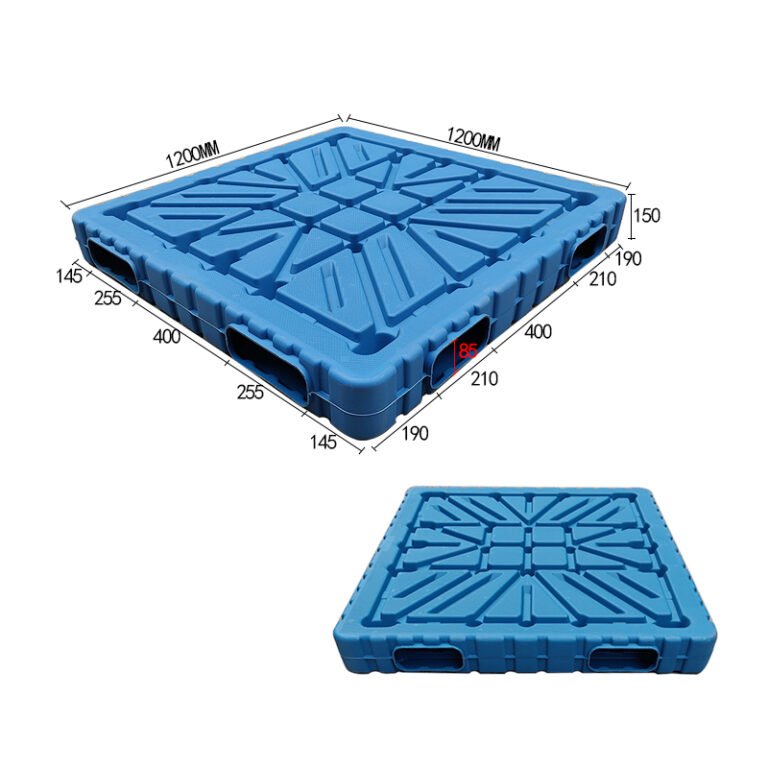
Block pallets feature a grid structure with blocks positioned at corners and center points, creating a robust framework that distributes weight evenly.
Advantages
- Four-way forklift access for flexible handling
- Superior load capacity and weight distribution
- Excellent for racking systems
- More stable stacking capability
- Better for automated storage systems
Limitations
- Higher initial cost
- Heavier weight
Key Comparison Factors
| Factor | Stringer | Block |
|---|---|---|
| Forklift Access | 2-way | 4-way |
| Load Capacity | Medium | High |
| Cost | Lower | Higher |
| Weight | Lighter | Heavier |
| Racking Suitable | Limited | Excellent |
When to Choose Stringer Pallets
- Budget is a primary concern
- Two-way forklift access is sufficient
- Light to medium load requirements
- One-way export shipping
- Conveyor system integration
When to Choose Block Pallets
- Four-way forklift access needed
- Heavy loads or high stacking
- Racking system storage
- Automated warehouse systems
- Long-term reusable application
Conclusion
Both stringer and block plastic pallets have their place in modern warehousing. Your choice should depend on your specific operational requirements, budget, and long-term logistics strategy.